
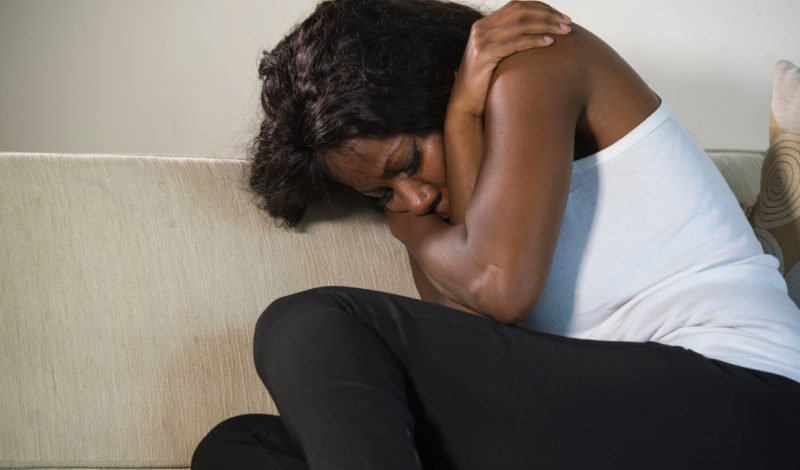

As Kenya marks the 16 Days of Activism Against Gender-Based Violence, an uncomfortable truth persists: for many women and girls, the most dangerous place is their own home. Family violence remains the most widespread yet quietly tolerated form of gender-based violence, sustained not only by harmful social norms but also by policy gaps, particularly within the National Family Protection Policy (NFPP).
Domestic violence is not a private disagreement. It is a crime, a public health crisis, and a violation of fundamental rights. It includes physical assault, sexual violence, emotional abuse, and economic control most often perpetrated by intimate partners. Yet survivors are still routinely pressured to reconcile with their abusers in the name of “family unity,” even when their lives are at risk.
Violence is not a misunderstanding between equals. It is rooted in power, control, and coercion. Mediation assumes balanced power, yet domestic violence is defined by deep inequality. Forcing survivors into negotiation with their abusers exposes them to further trauma, intimidation, and retaliation, while emboldening perpetrators.
The Constitution guarantees every person the right to dignity, security, and freedom from violence. These rights do not disappear in marriage. Yet in practice, many women who report abuse are told to “go back home,” withdraw cases for the sake of children, or endure violence in the name of culture and family reputation. This is not protection it is institutionalised silence.
During the 16 Days of Activism, public attention often focuses on extreme cases such as femicide. These crimes deserve national outrage. But the quieter reality is that most gender-based violence happens behind closed doors, committed by people the survivor knows and trusts. Any policy that fails to confront this reality becomes part of the problem.
Kenya is bound by international obligations under the Convention on the Elimination of All Forms of Discrimination against Women (CEDAW) and the Maputo Protocol to prevent, punish, and eradicate violence against women. A family protection framework that weakens accountability for domestic abuse contradicts these commitments and places lives at risk.
A family cannot be said to be protected when women are beaten and urged to reconcile, when marital rape is minimised, and when children grow up learning that violence is a normal form of conflict resolution. Family unity built on fear is not unity at all.
