
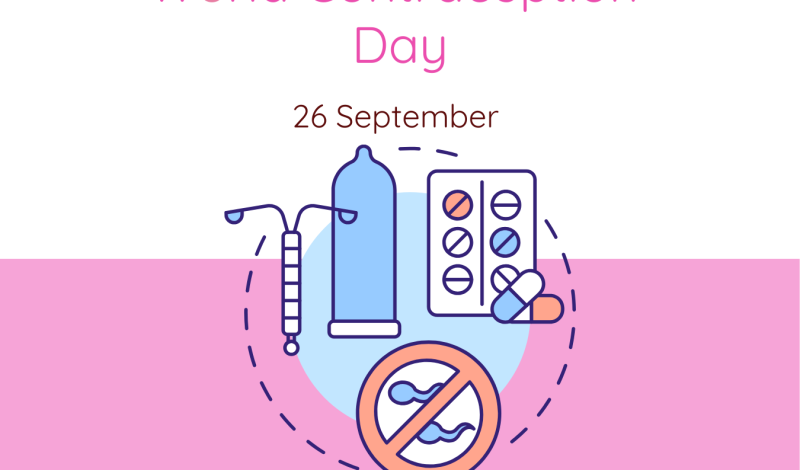

Every September 26, the world observes International Contraception Day, affirming that women everywhere have the right to decide if and when to have children. But for many displaced women in Kenya, in Kakuma, Dadaab, and even Nairobi’s informal settlements,this right remains out of reach.
Kenya is home to nearly 800,000 refugees and asylum seekers, most of them women and children. While national policies promise equal access to health services, the reality is harsher. Clinics in refugee camps are chronically overcrowded, contraceptives are often out of stock, and health workers are overwhelmed. “I walked for hours to reach the clinic, but the pill I needed was unavailable,” recalls a refugee mother in Kakuma.
For adolescent girls, the barriers are even steeper. Fear of judgment from providers, stigma within communities, and the absence of privacy discourage them from seeking care. Survivors of sexual violence,a persistent reality in displacement settings, are left with limited options. As one community health worker in Dadaab explained: “Women are already carrying the trauma of violence. When services fail them, they carry the burden twice.”
The consequences are devastating: high rates of unintended pregnancies, unsafe abortions, and school dropouts among teenage girls. A recent study found that fewer than one in five refugee women in Kenya feel empowered to make independent reproductive health decisions. “This is not just about health,” stresses a reproductive rights advocate in Nairobi. “It is about equality, dignity, and the chance to rebuild lives.”
The solutions are neither new nor impossible. Kenya must invest in youth-friendly services, guarantee consistent supplies of a full range of contraceptives, and partner with refugee-led groups who best understand the cultural and social dynamics. Urban refugees in Nairobi, often overlooked in policy, also need tailored interventions to overcome financial and legal barriers.
This International Contraception Day, Kenya has an opportunity to lead by example. Refugee women’s reproductive rights cannot be treated as an afterthought. For displaced women in Kakuma, Dadaab, and beyond, access to contraception is not a privilege, it is a necessity.

